
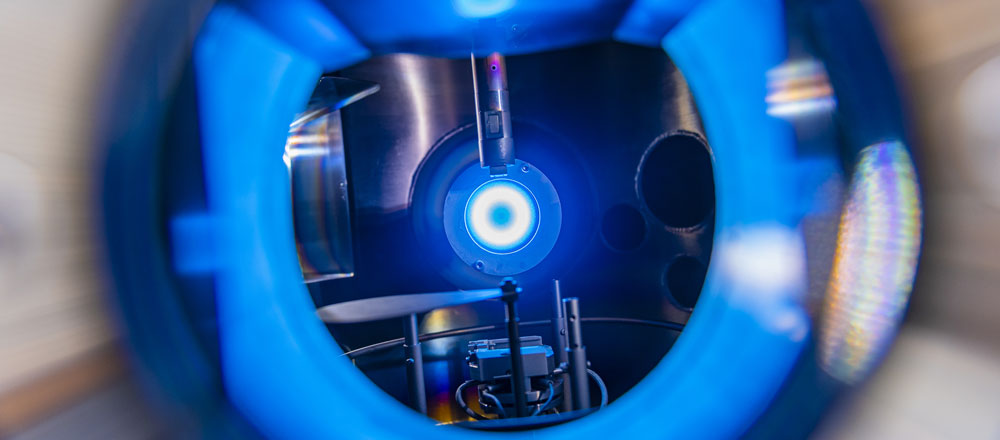

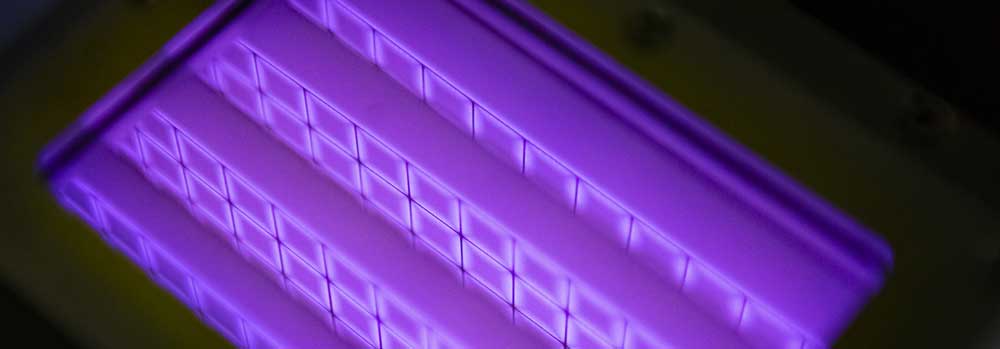
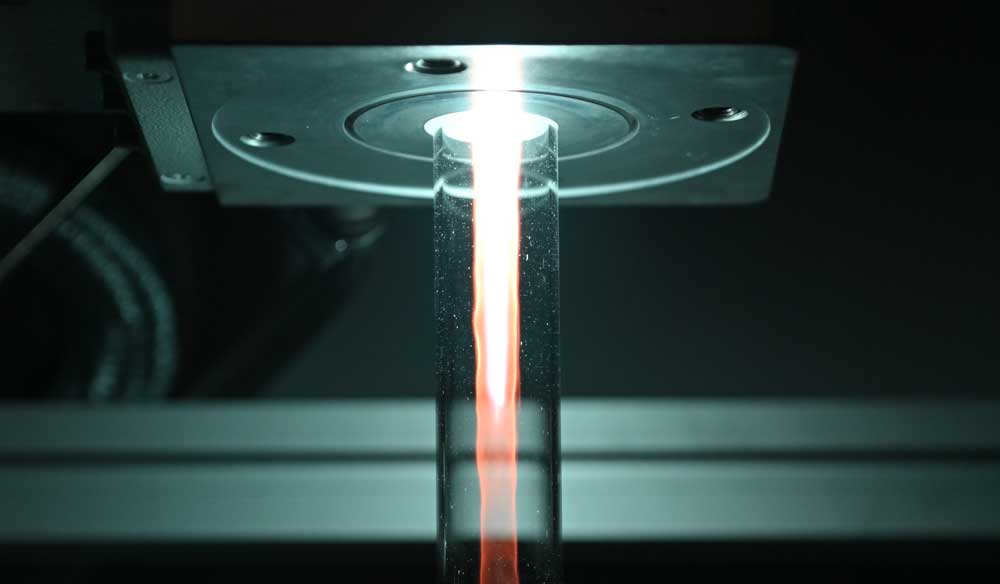
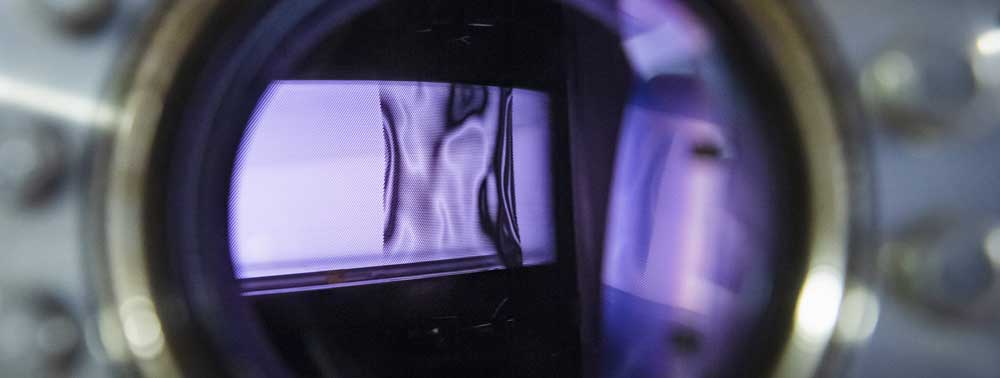
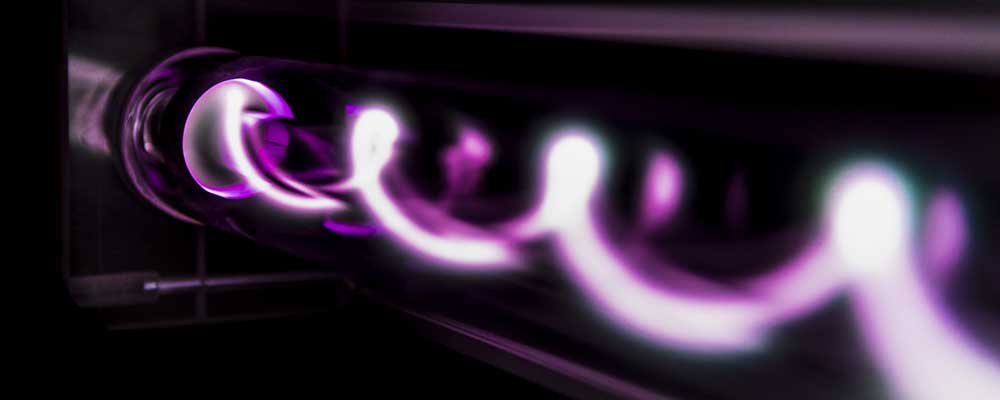
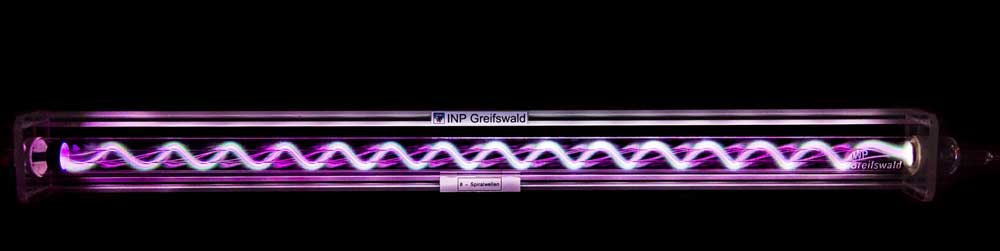

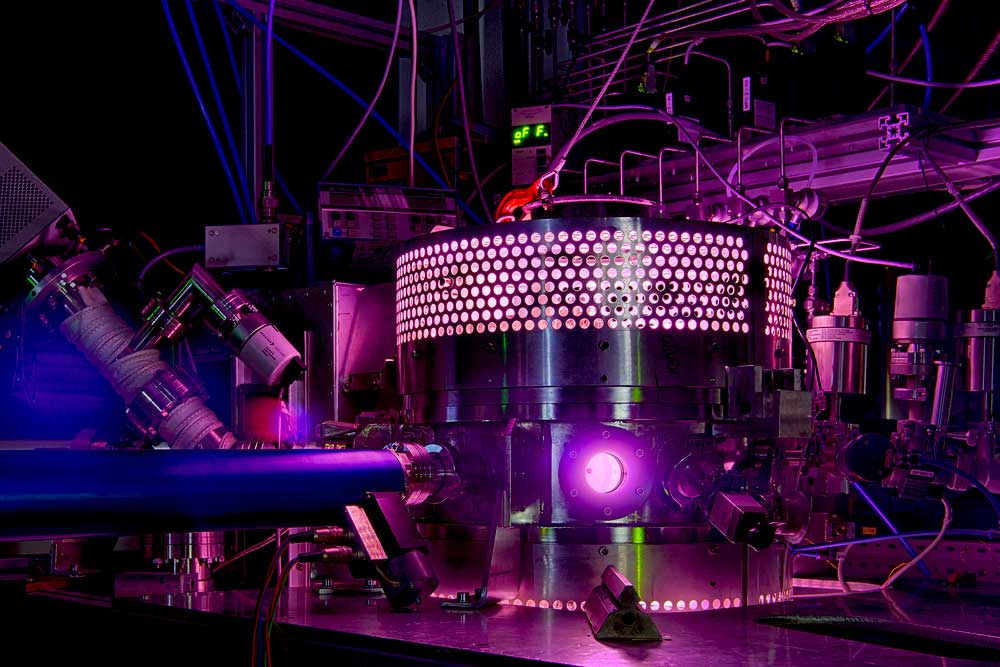
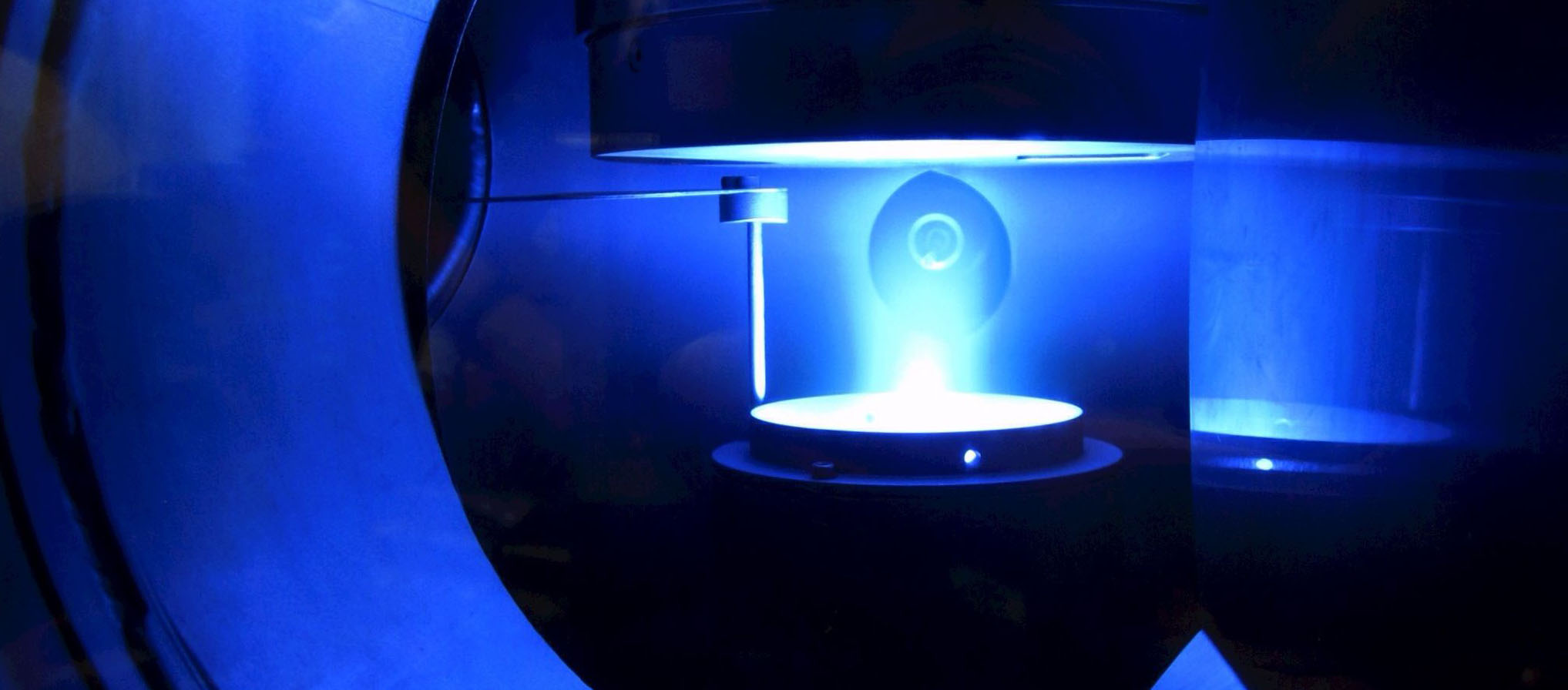





A3,A7 - Plasma ChemistryGas Conversion in an sDBDSurface Dielectric barrier discharges are perfect |
Public outreach
Summer Campus 2019
Between July 15th and July 17th, 2019, the Summer Campus took place at Ruhr-University Bochum. At the Summer Campus, pupils who are interested in a university education visit RUB during the summer holidays. The Summer Campus is the right place for pupils who are not yet sure about their subject to study or who want to know more details about the courses in their field of interest. The pupils can visit a large range of faculties and student services. Furthermore, they can expand their skills and interests by attending various workshops. Here, the research group of Prof. Awakowicz offered a hands on experience with the title Exciting Plasma Technology - Microwave Reactor, Double-ICP and more. Finally, pupils can interact with their future peers and teachers.
Biologie
Wie sich Bakterien gegen Plasmabehandlung schützen

Plasmen werden zum Beispiel in der Wundbehandlung gegen Krankheitserreger eingesetzt, die gegen Antibiotika resistent sind. Doch Bakterien könnten sich wehren.
Angesichts von immer mehr Bakterien, die gegen Antibiotika resistent werden, setzt die Medizin unter anderem auf die Behandlung mit Plasmen. Forscherinnen und Forscher der RUB haben gemeinsam mit Kollegen aus Kiel untersucht, ob Bakterien auch dagegen unempfindlich werden können.
Sie identifizierten 87 Gene des Bakteriums Escherichia coli, die möglicherweise eine schützende Funktion gegen wirksame Bestandteile von Plasmen haben. „Diese Gene erlauben Rückschlüsse auf die antibakteriellen Mechanismen von Plasmen“, so Marco Krewing. Er ist Erstautor von zwei Publikationen, die dieses Jahr in der Zeitschrift „Journal of the Royal Society Interface“ veröffentlicht wurden.
Ein Cocktail schädlicher Komponenten stresst Erreger
Plasmen entstehen aus Gasen, wenn man ihnen Energie zuführt. Schon heute sind Plasmen gegen multiresistente Erreger im klinischen Einsatz. Mit ihnen werden zum Beispiel chronische Wunden behandelt. „Plasmen liefern einen komplexen Cocktail von Komponenten, von denen viele bereits für sich genommen eine desinfizierende Wirkung haben“, erklärt Prof. Dr. Julia Bandow, Leiterin der Arbeitsgruppe Angewandte Mikrobiologie der RUB. UV-Strahlung, elektrische Felder, atomarer Sauerstoff, Superoxid, Stickoxide, Ozon und angeregter Sauerstoff oder Stickstoff wirken gleichzeitig auf die Krankheitserreger ein und erzeugen damit erheblichen Stress. Normalerweise überleben sie das nicht länger als einige Sekunden oder Minuten.
Um herauszufinden, ob Bakterien, ähnlich wie gegen Antibiotika, auch gegen die Auswirkungen von Plasmen resistent werden können, haben die Forscherinnen und Forscher das gesamte Genom des Modellbakteriums Escherichia coli, kurz E. coli, auf bereits existierende Schutzmechanismen untersucht.
Je ein einziges Gen fehlt
Die Forscher nutzten für ihre Studie sogenannte Knock-out-Stämme von E. coli. Das sind Bakterien, denen jeweils genau ein bestimmtes Gen des etwa 4.000 Gene umfassenden Genoms entfernt wurde. Sie setzten jede dieser Mutanten dem Plasma aus und beobachteten dann, ob sich die Zellen danach noch weiter vermehrten.
„Wir konnten zeigen, dass 87 dieser Knock-out-Stämme empfindlicher gegenüber Plasmabehandlung waren als der Wildtyp, dem kein Gen fehlt“, so Marco Krewing. Die in diesen 87 Stämmen fehlenden Gene schauten sich die Forscher genauer an und fanden heraus, dass die meisten der Gene die Bakterien gegen die Wirkungen von Wasserstoffperoxid, Superoxid und/oder Stickstoffmonoxid schützen.
Hitzeschockprotein erhöht Plasmaresistenz
Das Hitzeschockprotein Hsp33 zum Beispiel schützt E. coli-Proteine bei Stress vor dem Verklumpen. „Auch bei Plasmabehandlung wird dieses Protein aktiv und schützt die anderen E. coli-Proteine und damit die Bakterienzelle“, so Bandow. Eine erhöhte Menge dieses Proteins alleine führt zu einer leicht erhöhten Plasmaresistenz. Mit einer deutlich stärkeren Resistenzbildung gegen Plasmen ist zu rechnen, wenn die Mengen mehrerer Schutzproteine gleichzeitig erhöht sind.
Von Meike Drießen
RECENT RESEARCH ACHIEVEMENT, project B8
How bacteria protect themselves from plasma treatment
Plasmas are applied in the treatment of wounds to combat pathogens that are resistant against antibiotics. But bacteria know how to defend themselves.
Considering the ever-growing percentage of bacteria that are resistant to antibiotics, interest in medical use of plasma is increasing. In collaboration with colleagues from Kiel, researchers at Ruhr-Universität Bochum (RUB) investigated if bacteria may become impervious to plasmas, too. They identified 87 genes of the bacterium Escherichia coli, which potentially protect against effective components of plasma. “These genes provide insights into the antibacterial mechanisms of plasmas,” says Marco Krewing. He is the lead author of two articles that were published in the Journal of the Royal Society Interface this year.
A cocktail of harmful components stresses pathogens
Plasmas are created from gas that is pumped with energy. Today, plasmas are already used against multi-resistant pathogens in clinical applications, for example to treat chronic wounds. “Plasmas provide a complex cocktail of components, many of which act as disinfectants in their own right,” explains Professor Julia Bandow, Head of the RUB research group Applied Microbiology. UV radiation, electric fields, atomic oxygen, superoxide, nitric oxides, ozone, and excited oxygen or nitrogen affect the pathogens simultaneously, generating considerable stress. Typically, the pathogens survive merely several seconds or minutes.
In order to find out if bacteria, may develop resistance against the effects of plasmas, like they do against antibiotics, the researchers analysed the entire genome of the model bacterium Escherichia coli, short E. coli, to identify existing protective mechanisms. “Resistance means that a genetic change causes organisms to be better adapted to certain environmental conditions. Such a trait can be passed on from one generation to the next,” explains Julia Bandow.
Mutants missing single genes
For their study, the researchers made use of so-called knockout strains of E. coli. These are bacteria that are missing one specific gene in their genome, which contains approximately 4,000 genes. The researchers exposed each mutant to the plasma and monitored if the cells kept proliferating following the exposure.
“We demonstrated that 87 of the knockout strains were more sensitive to plasma treatment than the wild type that has a complete genome,” says Marco Krewing. Subsequently, the researchers analysed the genes missing in these 87 strains and determined that most of those genes protected bacteria against the effects of hydrogen peroxide, superoxide, and/or nitric oxide. “This means that these plasma components are particularly effective against bacteria,” elaborates Julia Bandow. However, it also means that genetic changes that result in an increase in the number or activity of the respective gene products are more capable of protecting bacteria from the effects of plasma treatment.
Heat shock protein boosts plasma resistance
The research team, in collaboration with a group headed by Professor Ursula Jakob from the University of Michigan in Ann Arbor (USA), demonstrated that this is indeed the case: the heat shock protein Hsp33, encoded by the hslO gene, protects E. coli proteins from aggregation when exposed to oxidative stress. “During plasma treatment, this protein is activated and protects the other E. coliproteins – and consequently the bacterial cell,” Bandow points out. An increased volume of this protein alone results in a slightly increased plasma resistance. Considerably stronger plasma resistance can be expected when the levels of several protective proteins are increased simultaneously.
By Meike Drießen, Translated by Donata Zuber
Awards
Poster Prize for Christoph Stewig (A3) at the Conference for Plasma Technology 19 in Cottbus
Christoph Stewig was awarded with one of the three poster prizes at the bi-annual conference on plasma technology in Cottbus.